


You cannot use this feature without first accepting 3rd Party Cookies.
You cannot use this feature without first accepting 3rd Party Cookies.

Brains are incredible! Brains are particularly incredible when we’re children: our children make millions of new neuro-connections in their brains every day!
Brains are faster and more powerful than any supercomputer, generate enough electricity to power a lightbulb and send messages at more than 150 miles an hour despite being made mainly of water and weighing around 3lbs!
I first got interested in how brains learn when I realised that mine didn’t seem to learn in the way that my teachers wanted to teach.
I lost three years of playtime at primary school copying my teacher’s handwriting until I reached a standard they were happy with and, in year six, my teacher explained how genuinely sorry she was that my future successes would be hampered by finding spelling and maths so difficult…
When I found out at University that I had dyslexia and dyspraxia, my school journey made a lot more sense! Already sure my future lay in teaching (and having a useful inbuilt stubborn streak), I continued with my dream of becoming an English teacher and later completed my masters looking at dyslexic learning profiles and how to play to learning strengths.
I now know that the hours I spent revising from a book were misspent: brains don’t learn best that way…
Brains are designed to be in a state of movement and development. If left stationary too long (a bit like when you’re binge watching on Netflix and it pauses your viewing to check you’re still there), brains stop processing effectively.
The key part of our brains for learning (our neo-cortex), needs to us to know we’re safe, energised, fed, happy and well to learn best. It’s the reason when we have lost something and start to panic, we can’t see it, even when looking straight at it!
Brains store our learning most securely when we have multiple senses online, an emotional link to the learning, a sense of autonomy, enjoy the content or the method of the learning and our efforts are noticed and validated.
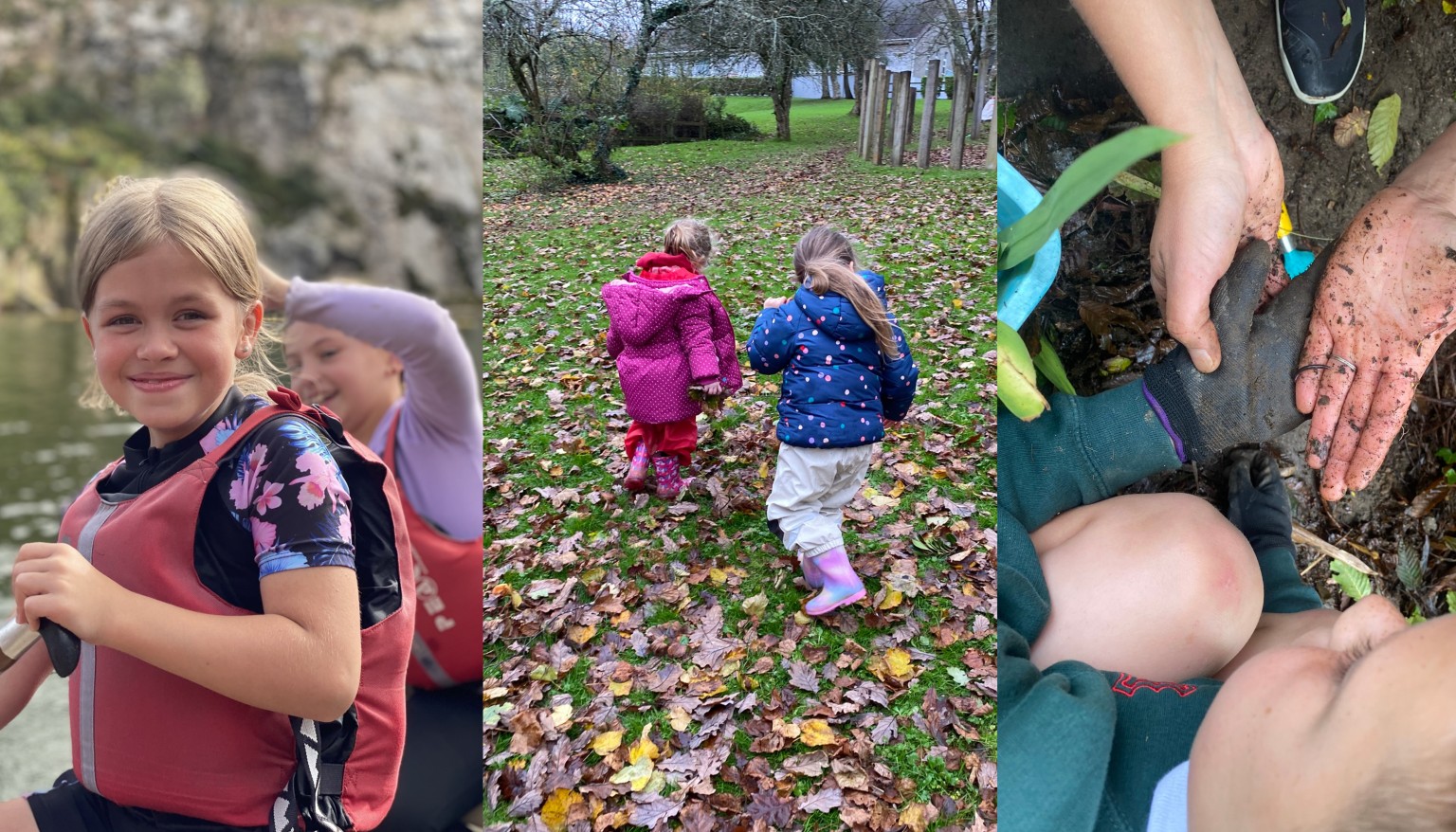
Short chunks of learning followed by physical movement helps keep brains in prime learning condition – chemicals released through exercise and movement actually help power your brain which is just one of the many reasons I’m so pleased that Kea is one of the few primary schools left that has kept afternoon play!
When we understand how we learn best, and it’s celebrated that all brains learn differently, there are very few barriers to what we can do.
Your brain could never be the same as another: you are unique and that is rather wonderful.